If you have got a full fibre install booked, you do not need a mystical engineer ritual, a week off work, or a degree in telecoms. You need a realistic full fibre installation guide that tells you what actually happens, what can go wrong, and how to avoid turning a two-hour job into an all-day headache.
Full fibre is different from old copper broadband because the connection runs on fibre optic cable right into your property. That matters. It is faster, usually more stable, and far better suited to modern life when somebody is on a video call, somebody else is streaming in 4K, and the gaming console is busy downloading a file the size of a small moon. But it also means the engineer may need to do a bit more than plug in a new router.
What a full fibre installation guide should actually tell you
Most guides make it sound either ridiculously simple or weirdly dramatic. The truth sits in the middle. Some installs are quick because the external fibre is already in place and the internal setup is straightforward. Others need new cable routing, a wall drill, or access to shared building spaces.
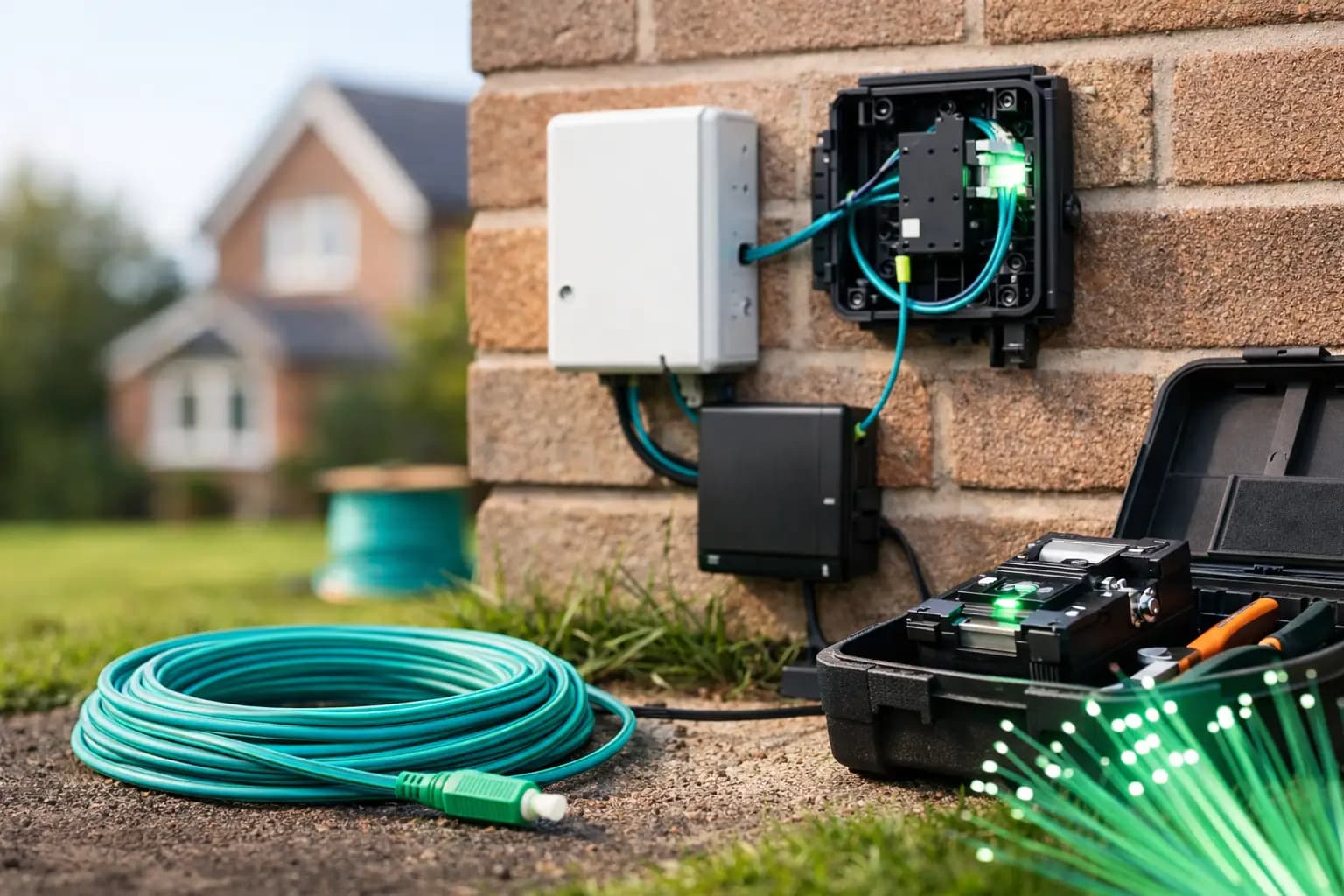
The key thing to know is that full fibre installation usually has two parts. First, the line is brought from the street network to your property if it is not there already. Second, the engineer fits the equipment inside, tests the light levels and connection, and makes sure your service is live. If your address is marked as ready for service, the outside work may already be done. If not, there can be extra steps before the appointment you see in your calendar.
Before installation day
A good full fibre installation guide starts before the engineer knocks on the door. The biggest delays usually come from access problems, not technical ones.
If you live in a house, think about where the cable is most likely to enter. Engineers often use the existing route from the old phone line, but not always. If that route is blocked, damaged, or impractical, they may need an alternative path along an exterior wall and into a different room.
If you live in a flat, things get more interesting. The engineer may need access to a riser cupboard, comms room, basement, or another shared area. In some buildings, they can do the job quickly because the fibre infrastructure is already tidy and labelled. In others, they are one locked cupboard away from complete defeat. If you are renting, it is sensible to check whether your landlord or managing agent needs to approve any drilling or cable runs.
It also helps to decide where you want the router before the appointment. Not where you have dumped a side table because it was free. Where it will actually work best. A central position in the home is usually better than tucking it behind the telly in the far corner. If you work from home, game online, or rely on Wi-Fi in a loft room, this choice matters more than people think.
What happens on the day
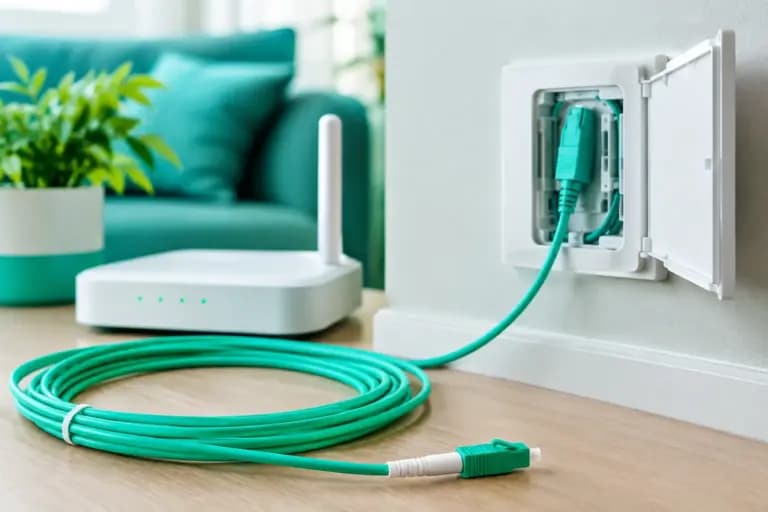
First, the engineer checks the external route and confirms where the cable will come into the property. Then they install or connect the fibre termination point. Inside the home, they usually fit a small box where the fibre ends, often called an ONT, then connect your router to it.
That is the clean version. In reality, the engineer is making judgement calls as they go. Is the existing duct usable? Can the cable be run neatly without creating a trip hazard or looking like a last-minute Christmas light job? Is the chosen entry point sensible for signal coverage and power access? Good engineers think about all of that.
You should expect some drilling if the property has not had full fibre before. Usually it is minor, but it is still drilling. There will also need to be a nearby power socket for the equipment. If the only available socket is hidden behind a wardrobe last moved in 2017, move it before they arrive.
Once the kit is in place, the engineer tests the connection, confirms the service is active, and often checks that your router is broadcasting Wi-Fi correctly. If you are porting a digital home phone service or replacing old voice equipment, there may be a few extra setup steps depending on the package.
How long does full fibre installation take?
For a straightforward home setup, the appointment itself often takes between one and three hours. Some are faster. Some drag on because the duct is blocked, the access point is awkward, or the building layout is not playing ball.
The wider process can take longer than the appointment. If external construction work is needed before the final install, your live date may be later than you hoped. That is not always your provider being difficult. Sometimes the network operator needs to clear a blockage, pull fibre through a duct, or complete civils work before the home visit can even happen.
If you are switching from another provider, timing matters. The ideal setup is simple – old service on until the new one is ready, minimal disruption, job done. But the real world contains missed appointments, delayed network work, and the odd admin tangle. That is why clear communication matters more than shiny adverts featuring people laughing near laptops.
Where to put the router and ONT
This is where many people accidentally waste the benefits of full fibre. You can pay for serious speed and still end up with ropey Wi-Fi in the bedroom because the router is shoved in the worst possible spot.
The ONT usually needs to be near the fibre entry point, but the router position deserves thought. If possible, place it somewhere open, raised slightly off the floor, and central to the areas where you actually use the internet. Cupboards, thick walls, and corners of the property are not your friends.
If you need rock-solid performance for gaming, a home office, or a smart TV, an Ethernet cable is often the better answer than endlessly blaming the router. Full fibre gives you a brilliant connection to the property. Your internal setup still needs to do its bit.
Common installation problems and what they really mean
The most common issue is blocked ducts. That means the underground path used to pull cable to the property is obstructed. Sometimes it is cleared quickly. Sometimes it needs extra work.
Another frequent snag is wayleave or permission trouble in blocks of flats. If the building owner has not approved infrastructure access, installs can stall. This is not glamorous, but it is real. Fibre depends as much on paperwork and property access as it does on engineering.
There is also the simple problem of unrealistic expectations. Some customers expect every device in the house to instantly hit the maximum advertised speed over Wi-Fi. That is not how home networking works. Device capability, router location, wall thickness, interference, and package speed all affect the result.
Then there is equipment placement. If the engineer says the cable cannot sensibly go where you want it, that is not them being awkward. Sometimes the neatest or safest route wins. There is usually a balance between ideal placement and practical installation.
A few smart ways to prepare
Clear the area where you think the equipment will go. Make sure someone over 18 is present. Check power sockets are available. If you are in a flat, sort access to communal areas in advance. If you have pets, keep them out of the way unless your cat has telecoms qualifications.
It is also worth noting any devices that rely on your current setup, especially if you have alarms, card machines, VoIP handsets, mesh systems, or smart home kit. Most households will be fine, but if your connectivity setup is more involved than a laptop and a streaming stick, tell the provider beforehand.
Is full fibre installation disruptive?
Usually, not very. Most home installs are tidy and fairly quick. You may have a short service interruption while the new line is activated and your equipment is configured. The bigger disruption tends to be scheduling, waiting in, and dealing with access if the property is awkward.
For businesses, landlords, or multi-occupancy buildings, disruption depends on the scale of the job. A single office unit is one thing. A building-wide rollout is another. In those cases, pre-planning matters a lot more because cable routes, tenant access, and service continuity all need managing properly.
Choosing a provider matters as much as the install
Here is the bit the glossy adverts skip. Even when the physical network is provided by a major infrastructure operator, your experience still depends heavily on the company managing the order, updates, support, and any snagging after the engineer leaves.
That is where smaller, accountable providers often outperform the big names. If something slips, you want fast answers and plain English, not a 47-minute hold queue followed by somebody reading from a script. Giant, for example, leans hard into straight pricing, UK-based support, and not hiding inflation-linked surprises in the small print. Funny that – people quite like being told the truth.
A full fibre installation is not usually complicated, but it does reward a bit of preparation and a provider that can actually answer the phone. Think about router placement, sort access in advance, and ask the obvious questions before the appointment, not while an engineer is standing in your hallway with a drill. Get that right, and the whole thing is much less drama than the broadband industry would have you believe.