That old landline number may be on every school form, doctor’s record, takeaway account and relative’s fridge magnet. So when faster broadband or a better deal comes along, the question is not just about Wi-Fi: can you keep landline number when you switch?
Usually, yes. In the UK, you can normally move a geographic landline number to a new provider through a process called number porting. But there are a few ways to make a mess of it, chiefly by cancelling the old service too early or assuming every type of phone service works in exactly the same way.
Can you keep your landline number with a new provider?
In most cases, a new provider can request the transfer of your existing 01 or 02 number. The number is moved from the losing provider to the gaining provider, rather than being issued again from scratch. You do not technically own the number, but providers are generally required to support portability where it is technically possible and reasonable.
The golden rule is simple: do not cancel your existing landline before the new provider has started the porting process. Give the new provider the number you want to keep and the account details held by the current provider. They should coordinate the switch.
If you cancel first, the old provider may cease the line and return the number to its available number range. At that point, recovering it can be difficult, slow or impossible. That is a needless gamble with a number people actually use.
Your new provider will usually ask for the account holder’s name, service address, current phone number and, sometimes, an account number. Make sure they match the existing provider’s records exactly. A missing middle initial or an old address can create delays that nobody needs.
Keeping a landline number as phone lines go digital
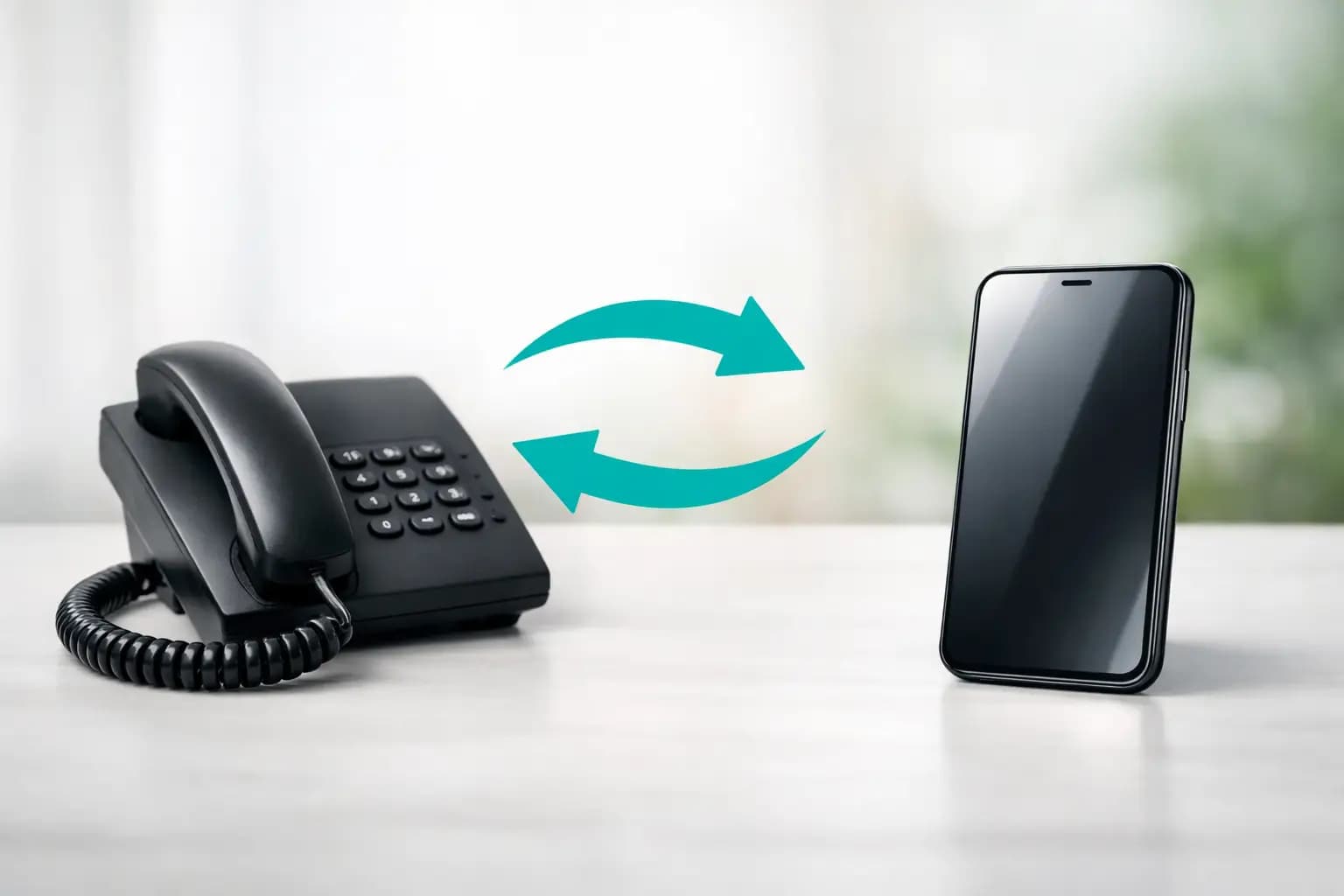
A landline number no longer has to mean a chunky handset plugged into an old copper socket. Traditional analogue phone networks are being retired, and home phone services are moving to digital calling. Your number can still look and work like a familiar local landline number, but calls are carried over your broadband connection using internet calling technology.
That change is often called Digital Voice, VoIP or a digital home phone. The labels vary. The practical point does not: if number porting is available, you may be able to keep your existing number while changing the technology behind it.
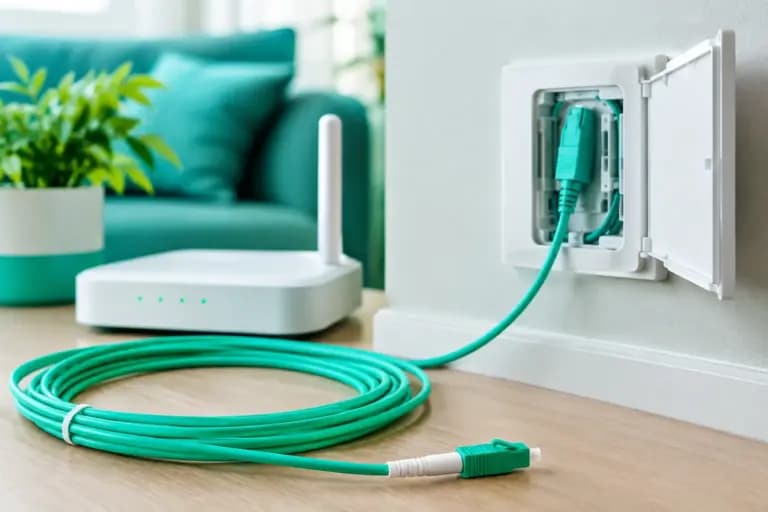
Your phone will normally plug into the router, an adapter supplied by the provider, or a dedicated digital phone base. Calls should feel much the same, but there are differences worth knowing about. A digital home phone needs power and a working broadband connection. During a power cut, it may not work unless suitable battery backup is available.
That matters most for households that rely on the landline for emergency calls, telecare, monitored alarms or medical equipment. Check compatibility before switching. Do not let a provider wave this away with jargon. Ask how emergency calling works during a power cut and what backup options are available for your circumstances.
How to keep your landline number without drama
Porting is not usually complicated, but it does reward a bit of admin. Start by checking whether your preferred provider can port your exact number to the service you are ordering. This is especially relevant if you are moving from a traditional line to a broadband-based home phone or virtual landline.
When you place the order, tell the new provider clearly that you want to retain your existing number. Do not assume that ticking a broadband box automatically includes your phone service. If you want a landline, order one. If you want your old number, request a port.
Then keep the old service live until you receive confirmation that the transfer is complete. There may be a short interruption to incoming or outgoing calls on the day the number moves. That is normal. A good provider should tell you the expected date, what equipment to connect and what to do if calls are not working afterwards.
Before the switch date, test the practical bits. Make sure you have the right handset or adapter, know where it plugs in, and have a mobile phone charged as a fallback. After completion, call the number from another phone and make an outbound call from the new service. Check both directions before declaring victory.
If the number is tied to an alarm, entry system, lift emergency phone, card terminal or care device, contact the equipment supplier too. Those services may depend on older phone-line technology and need testing or an upgrade. Faster broadband is brilliant. A broken alarm connection is not.
When you might not be able to keep a landline number
Number portability is common, not magic. The main issue is usually geography. A landline number has an area code, and that number range is linked to a particular part of the country. If you move a long way away, the new service may not be able to host the old geographic number, particularly where the provider’s network or product has location-based restrictions.
Moving within the same local calling area gives you the best chance. Moving from London to Leeds, for example, is more likely to raise questions because an 020 number and a 0113 number are associated with different places. Digital phone services can be more flexible than old-style lines, but you should still ask before ordering rather than treating it as guaranteed.
The type of number matters too. Standard residential 01 and 02 numbers are usually the straightforward cases. Business numbers, numbers on multi-line systems, numbers attached to specialist services and numbers already routed through another provider can take more investigation. A virtual landline may also have its own porting rules.
There can be a problem if the number is not active, if the current provider rejects the details supplied, or if there is an open order on the line. For example, a pending house move, cease request or broadband change can clash with a port. Timing matters. Let one process finish before starting another if your provider advises it.
Moving house? Keep the number, but check first
A house move adds another layer because your address and your connection are both changing. Tell the gaining provider you are moving and want to retain the number as early as possible. They can check whether the number can be ported to the new address and whether the broadband service is available there.
Do not confuse keeping a number with moving a physical phone line. With a digital home phone, the service may travel more easily than an old copper line did, but your new broadband still needs to be installed and live. If there is a gap between leaving one property and entering another, ask whether the number can be held or transferred at a later date.
For renters, this is particularly useful. You do not need to be stuck with whatever tired setup happened to be in the flat before you arrived. Just make sure you have permission for any installation work and that the account is in the correct name.
Questions worth asking before you place the order
Ask whether the provider can port your specific number, how long it is likely to take, and whether there is a charge. Ask whether your existing handset will work, whether an adapter is included, and what happens to the service in a power cut. If you are moving home, ask whether the number can be retained at the new address.
Also ask what you need to do with your old provider. The best answer is usually very little: the gaining provider should lead the switch where possible. If someone tells you to cancel first without explaining how your number will be protected, stop there and get it in writing.
A landline number is still useful, even when everyone carries a mobile. It can keep a household reachable, give a business a familiar local presence and save you from updating half the known universe. Choose the broadband and phone service that suits you, keep the number if it can be ported, and make the switch on your terms – not the old provider’s.