Your broadband has started doing that thing again. Video calls freeze, Netflix turns blocky, the kids start a household revolt, and your bill somehow creeps up while the service stays stubbornly average. If you’re wondering how to switch broadband provider, the good news is this: it is usually far easier than the big telecom dinosaurs would like you to think.
The trick is not just switching. It is switching at the right time, to the right service, without getting stung by exit fees, downtime or a shiny offer that turns grubby after month three. A decent switch should leave you with better speeds, clearer pricing and less time on hold listening to dreadful music.
How to switch broadband provider without making a mess of it
For most UK households, switching broadband is now fairly straightforward. In many cases, your new provider handles the transfer and contacts your existing provider for you. That means less admin, less back-and-forth and less chance of you being trapped in cancellation limbo by someone reading from a script.
That said, not every switch works in exactly the same way. It depends on the type of broadband you have now, the network your new provider uses, and whether you’re still in contract. If you’re moving from one Openreach-based service to another, the process is often very simple. If you’re leaving a network that uses different infrastructure, or you’re on a bundled package with TV and phone, there may be more to untangle.
Before you do anything, check three things: your contract end date, what service is actually available at your address, and what your current monthly price really is. Not the headline price from two years ago. The amount you are paying now.
Step 1: Check whether you’re in contract
This is where many people come unstuck. You see a better deal, you click fast, then discover you’re six months away from the end of your contract and facing early termination charges.
Ask your current provider for your minimum term end date and any exit fees. They have to tell you. If you’re out of contract, brilliant. You are in a stronger position and can usually move with much less friction. If you are still tied in, do the maths. Sometimes paying an exit fee still works out cheaper over the next year if your current provider is charging over the odds. Sometimes it doesn’t. It depends on how high the charge is and how much you would save by moving.
If your provider has hiked your monthly bill far beyond what you expected, it’s also worth checking whether you have any rights linked to the terms of your contract. This is where clear pricing matters. Plenty of customers are fed up with inflation-linked increases buried in the small print, and fairly enough.
Step 2: Check what kind of broadband you can get
Not every property can get the same service. One street might have full fibre with symmetric speeds available, while the next is stuck on older part-fibre lines. So before you compare deals, make sure you’re comparing services you can actually order.
This matters because “faster” on a comparison page does not always mean better in real life. Full fibre is usually the gold standard for reliability and speed, especially if you work from home, stream in multiple rooms, game online or have a house full of devices all fighting for bandwidth. If you can upgrade from older copper-based broadband to full fibre while switching, that is often where the biggest improvement happens.
Upload speed matters too. Many people only look at download figures, then wonder why video calls look rough or large files take an age to send. If you run a business from home, upload to the cloud or live on Teams and Zoom, don’t ignore it.
What to compare before you switch broadband provider
Price gets the headlines, but price on its own is how people end up annoyed again six months later. A proper comparison should look at the monthly cost, contract length, setup charges, speed, support and whether the provider has a habit of springing mid-contract increases on customers.
A cheap deal can be expensive if it comes with weak Wi-Fi, poor support and a price rise every April. On the flip side, the fastest package on paper may be overkill if you only browse, stream a bit and answer the odd email.
Look past the teaser price
Some providers are very fond of offering a tempting intro price that later balloons. Read the full cost over the entire contract, not just the opening few months. If the provider cannot explain the monthly charge in plain English, that’s a warning sign in itself.
Check support like it actually matters
Because it does. Broadband is one of those services you barely think about until it breaks. Then support becomes the whole story. UK-based support, sensible opening hours and people who can fix problems without bouncing you between departments are worth more than a flashy advert.
Think about your household, not an average household
A one-bed flat with two light users does not need the same setup as a busy family home with gamers, streamers and remote workers. Buy for how you live. If your current connection falls over at peak times, don’t just replace it with another bargain-basement service and hope for the best.
The switching process in practice
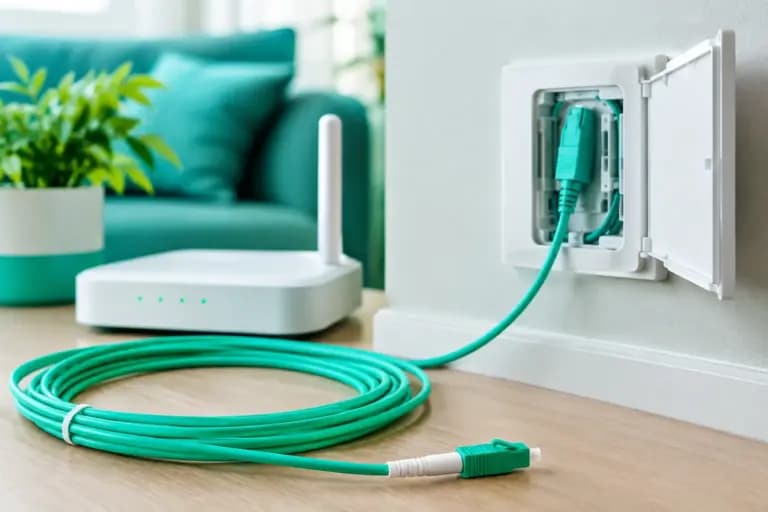
Once you’ve chosen a new provider, they will usually confirm your service, arrange the switch date and tell you whether an engineer visit is needed. If the line and equipment are already suitable, it may be a simple remote activation. If new infrastructure or a new ONT is needed for full fibre, someone may need access to the property.
In many cases, you should not cancel your old service yourself unless your new provider tells you to. Cancelling too early is one of the easiest ways to create downtime. Let the new provider lead the process where possible.
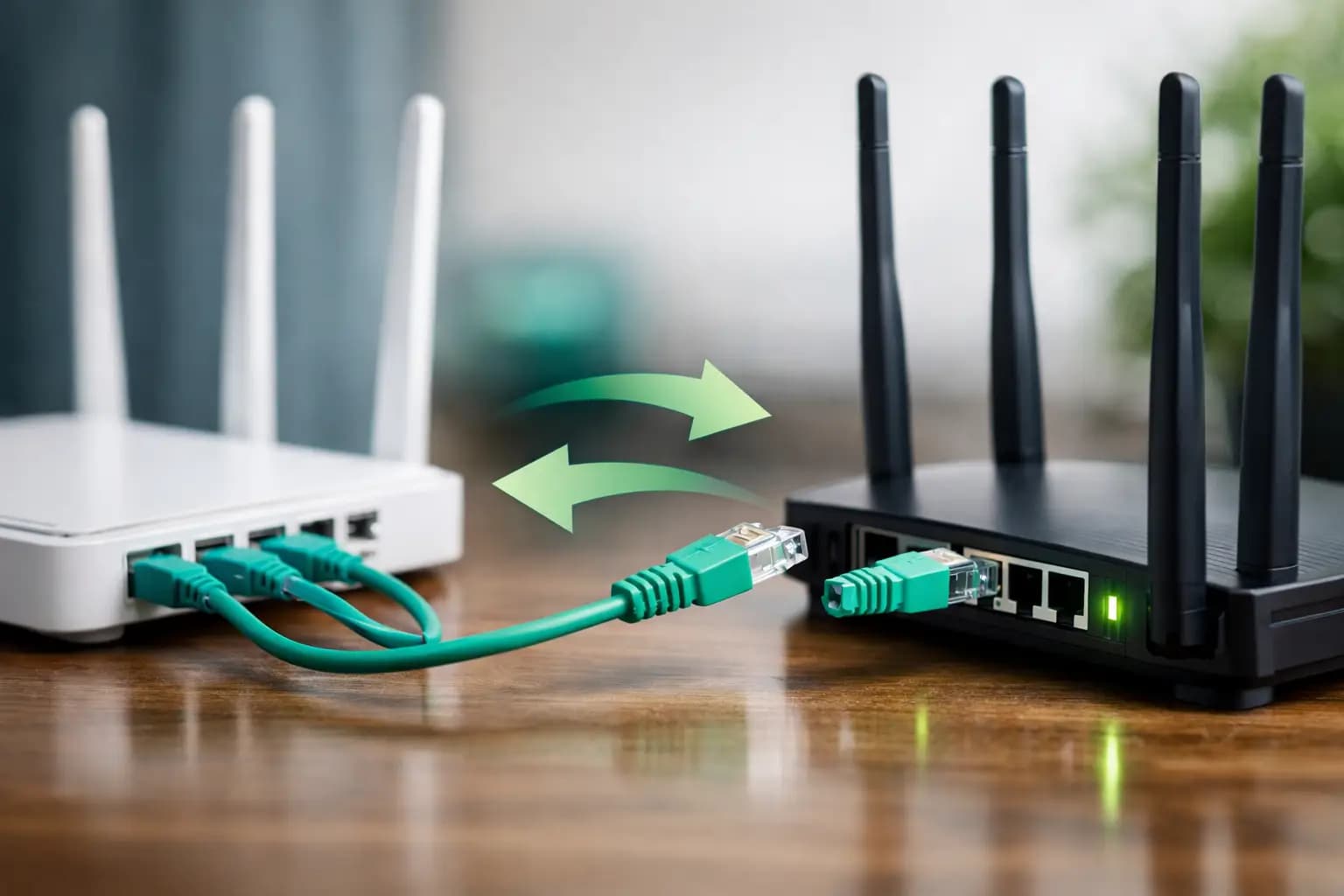
Keep hold of any emails or texts confirming dates, fees and next steps. If you are returning a router or TV box to your old provider, do it on time and keep proof of postage. Telecoms companies can be strangely sentimental about old kit when it comes to charging you for it.
What if you have a landline or bundle?
If your broadband comes with a home phone, TV or mobile discount, check what happens when you remove one part of the bundle. You may keep the extras, lose the discount, or trigger separate charges. If your landline number matters, ask about number porting before the switch is booked. Do not assume it happens automatically.
For business users, the stakes are a bit higher. Downtime, static IP requirements, hosted phone systems and multi-site setups all need a more careful plan. A good provider should talk you through that without the usual waffle.
Common mistakes people make when switching
The biggest mistake is choosing on headline price alone. The second is not checking contract terms. After that, it is usually poor timing, especially if you cancel early, switch during a house move without planning, or forget that your current deal includes equipment return rules.
Another common one is expecting a Wi-Fi problem to be fixed by any new broadband package. Sometimes the line is fine and the issue is router placement, thick walls or too many devices fighting for signal. Better broadband helps, but your in-home setup still matters.
There is also the temptation to overbuy. Yes, 8 Gbps sounds glorious. No, not every household needs it. If you want very high speeds because your usage genuinely demands it, fair play. If not, pick a service that matches your real life and spend the difference on something more enjoyable than bandwidth you will never use.
When is the best time to switch?
Usually, just before your current contract ends or as soon as you are free to leave without penalty. That gives you the cleanest break and the best chance of improving both price and service.
If your current connection is genuinely poor and affecting work or home life, it can still be worth moving sooner. The decision comes down to cost versus hassle. A small exit fee may be tolerable if your existing service is driving everyone up the wall.
If you’re moving home, treat that as a fresh decision point. Don’t automatically carry over an underwhelming service just because it feels easier. A move is often the best moment to check what faster options are available.
One final thought: switching broadband should not feel like filing a tax return. If a provider makes the process confusing before you’ve even signed up, imagine what happens when you need help later. Pick the company that gives you straight answers, fair pricing and support from humans who sound like they actually want to sort it out.