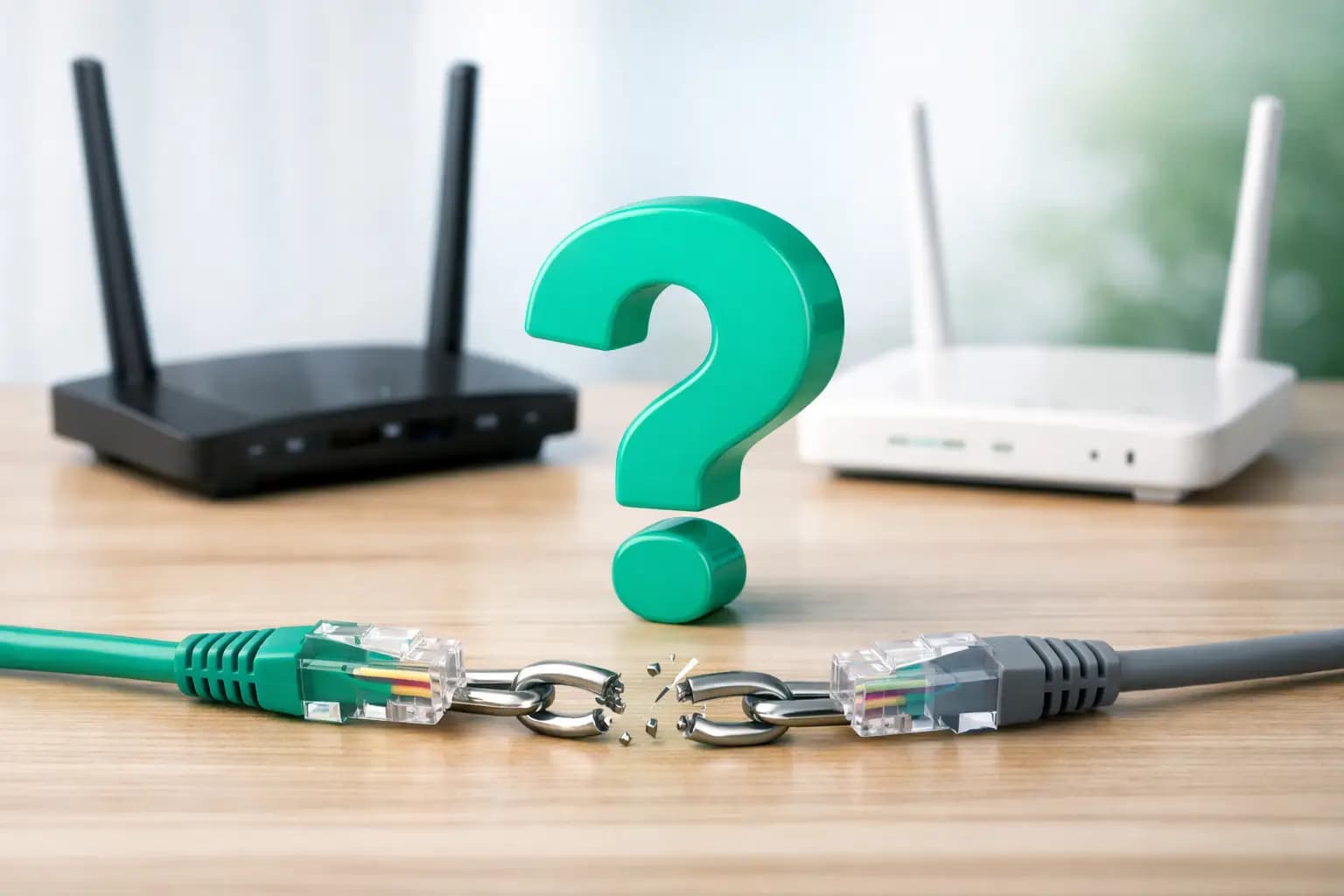
You spot a better broadband deal, your current provider has started testing your patience, and then the obvious question lands: can you switch broadband without cancellation fees? Sometimes yes. Sometimes absolutely not. The trick is knowing which rules protect you, where providers still have room to charge, and how to time your move so you do not pay for leaving and joining at the same time.
If you have ever been stung by telecoms small print, this is the bit worth paying attention to. Switching is easier than it used to be, especially in the UK, but easier does not always mean free.
When you can switch broadband without cancellation fees
The cleanest scenario is simple: your minimum contract term has ended. If you are out of contract, you can usually leave without an early termination charge. You may still need to give notice, and you may still have to return equipment, but the big cancellation fee that catches people out normally applies when you are trying to leave before your agreed term is up.
There are a few other situations where you may be able to move without paying exit charges. If your provider has changed the contract in a way that gives you a right to leave, that can open the door. If they have put up the price in a way your contract allows you to challenge, or they have materially changed the service, you may have grounds to exit. The exact outcome depends on the contract wording and the reason for the change, so this is where blunt realism matters: not every price change means a free exit.
There is also the cooling-off period. If you have just signed up to a broadband contract online or over the phone, you usually have 14 days to cancel. That does not automatically mean there will never be any costs. If the service has already started, you may still have to pay for the days you used it. But it can help you avoid being locked into months of charges.
When cancellation fees usually apply
If you are still in your minimum term, your provider will often charge an early termination fee. That fee is usually based on the months left on your contract, adjusted for costs they no longer have to pay once you leave. In plain English, they will not always charge every remaining pound in full, but they can still charge enough to make an impulsive switch look expensive.
This is where people get caught. They see a tempting new deal, assume switching is like changing a streaming app, and only discover the fee after placing the order. Broadband providers are better regulated than they once were, but they are not charities.
Other charges can appear around the edges too. You might face unpaid bills, missed return fees for routers or boosters, or installation costs if the new service needs fresh kit or engineer work. So even if you can switch broadband without cancellation fees in the strict sense, your total moving cost may not be zero.
How One Touch Switch changes the process
For many residential customers, One Touch Switch has made life far less annoying. Instead of dealing with two providers and a mess of overlapping dates, the gaining provider typically handles the switch. That means less admin, less chance of your broadband dropping at the wrong moment, and fewer opportunities for your old provider to turn a simple move into a phone marathon.
What One Touch Switch does not do is magic away valid contract charges. It simplifies the process. It does not cancel the legal bits you already agreed to. If you are still in contract, the old provider can still bill early termination charges where those charges are allowed.
That matters because some people hear “easy switching” and think “free switching”. Not the same thing.
How to check if you can switch broadband without cancellation fees
Before you do anything, check your current contract end date. Not the date you think it ends. The actual date. If you are already beyond it, great. You are in the strongest position.
If you are still in term, ask your provider for a clear breakdown of any early exit charges. Get the figure in writing if you can. This gives you something solid to compare against the savings or speed upgrade from a new package.
Then check your notice period. Some providers need 30 days. Some align the switch differently under automated processes. If you get this wrong, you can end up paying for overlap longer than necessary.
It is also worth checking whether your service includes extras such as digital phone, paid TV, mesh Wi-Fi add-ons or mobile discounts tied to the same account. Broadband might be the main service, but bundles can create separate charges or affect your final bill.
The cases where paying a fee can still make sense
Here is the bit the comparison sites do not always say loudly enough: sometimes paying to leave is still the right move.
If your current broadband is slow, unreliable or badly supported, staying put just to avoid a fee can cost more in the long run. That is especially true for people working from home, households with multiple streamers, or gamers who care about latency rather than just headline download speeds. A few months of poor service can be more expensive than the exit charge once you factor in mobile data top-ups, lost work time or the need to buy temporary fixes.
The same applies if your new package offers genuinely better value over the full term. If the early termination fee is modest but the new monthly price is lower, with no inflation-linked rises hidden in the weeds, switching early may still come out ahead.
So the real question is not always “Can I leave for free?” Sometimes it is “Does leaving now still put me in a better position six months from now?”
What to ask before you switch
A smart switch starts with awkward questions. Ask your current provider what you owe if you leave on a specific date. Ask the new provider when billing starts, whether activation is guaranteed on that date, and whether any setup charges apply. If you use a home phone service, ask what happens to your number.
If you are in a rented flat or managed building, check what infrastructure is available at the property. Some addresses can access multiple networks, while others are more limited. That affects your choice, your installation timeline and whether a fast switch is realistic.
For small businesses, the stakes are higher. Consumer-style switching processes may not apply in the same way, and downtime can be costly. If you rely on static IPs, hosted voice, card machines or site-to-site connectivity, treat the move like an operational change, not a casual purchase.
How to avoid nasty surprises on the final bill
This is the unglamorous part, but it saves arguments later. Keep a copy of your contract terms, your cancellation notice or switch confirmation, and any messages showing agreed dates. If equipment needs returning, do it promptly and keep proof of postage.
Check your final bill line by line. Providers can and do make mistakes with overlap periods, service end dates and hardware charges. Most issues are fixable if you catch them early. Much less so if you notice three direct debits later.
And if the provider has quoted one exit figure and billed another, challenge it. Calmly, clearly, with dates and screenshots. Telecoms gets very brave with charges when customers do not keep records.
The bottom line on switching broadband
Yes, you can switch broadband without cancellation fees – but mainly when you are out of contract, within a valid cancellation window, or leaving under specific contract-change rights. If you are still in your minimum term, expect the possibility of early termination charges, even if the switching process itself is now far simpler.
The good news is that broadband no longer has to feel like a trap. With clearer rules, better switching systems and more providers competing on transparent pricing, customers have more control than they used to. That means less time being passed around a call centre script and more chance of getting a service that actually matches how you live or work.
If a provider makes switching sound mysterious, that is usually a warning sign rather than a feature. The decent ones tell you the costs, the timing and the trade-offs without trying to fog the glass. That is how it should be. Broadband is hard enough when it drops out. Buying it should not be.